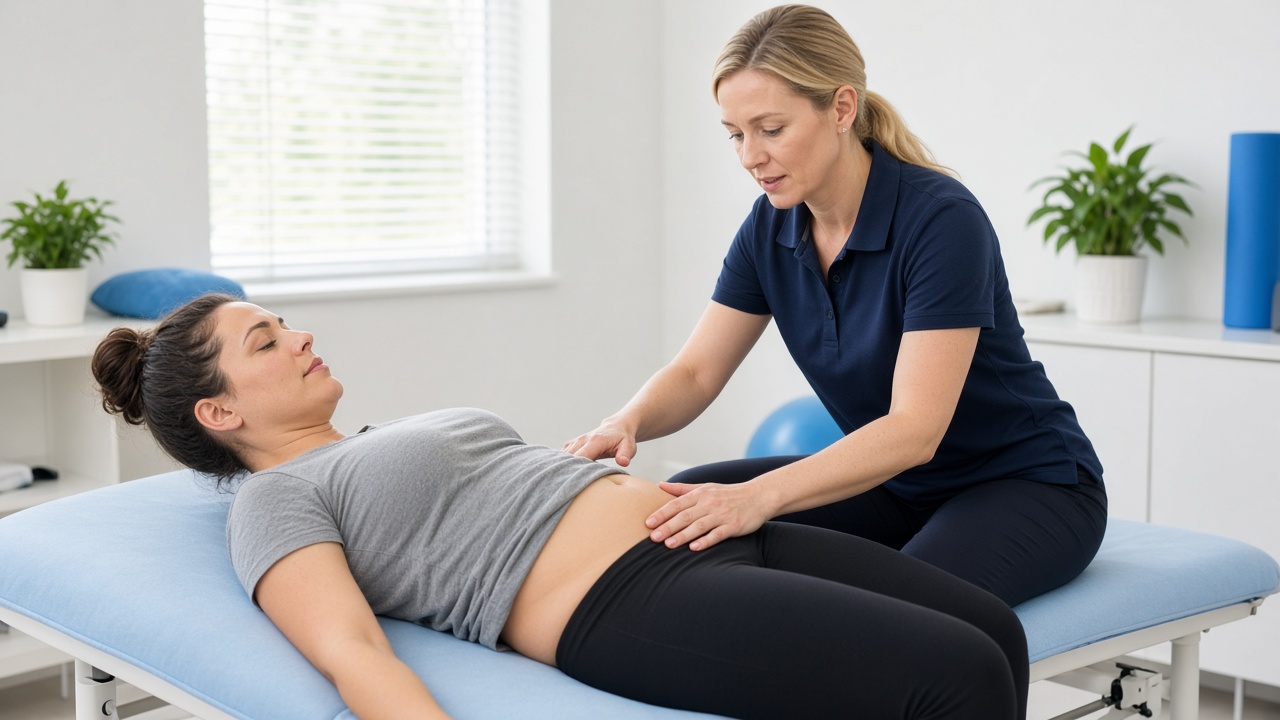
Postnatal physiotherapy supports recovery after vaginal or caesarean birth by addressing pelvic floor changes, abdominal wall recovery, feeding-related posture strain, and a gradual return to activity. It is guided rehabilitation—not a race back to pre-pregnancy workouts or a dismissal of symptoms as normal forever.
New mothers around Nikol and Ahmedabad often combine sleep loss, lifting, breastfeeding or bottle routines, and older children with pressure to bounce back quickly. Targeted physiotherapy reduces the chance that temporary postnatal aches become lasting problems and offers a safer path back to strength and daily confidence.
What postnatal physiotherapy can help with
Common reasons for care include low or mid-back ache from feeding postures, neck strain, wrist or thumb pain from baby holding, pelvic heaviness, bladder leakage, abdominal separation concerns, and deconditioning after birth or bed rest. Some women also seek help before returning to work or fitness classes. Follow-up visits catch early warning signs—heaviness after longer walks, new leakage, or abdominal doming—before they grow.
After caesarean birth, scar comfort, gradual loading, breath strategy, and return to everyday lifting are also addressed when appropriate. Care is individual: your birth story, healing stage, feeding method, and daily demands shape the plan more than a generic six-week checklist from social media. Sleep positions, night feeds, and baby-wearing setups are reviewed because they shape morning pain as much as formal exercise.
Pelvic recovery after birth
Pregnancy and delivery stretch and load the pelvic floor. Some women need help relearning gentle activation and endurance; others need relaxation strategies if the floor is tense, painful, or over-gripping. Continence, comfort, and support during lifts, coughs, and carries are key checkpoints in assessment. Feeding and carrying drills use the pillows, chairs, and carriers you already have, so advice transfers straight to home.
Education on toileting posture, breathing with effort, pacing household tasks, and managing constipation supports tissue recovery. You do not need to accept leakage, urgency, or heaviness as a permanent new normal without a proper physiotherapy assessment and staged plan. Return-to-work planning may include pacing advice for long desk days or standing roles after maternity leave.
How is safe core work progressed after delivery?
Core rehab starts with breathing, alignment, and low-load control rather than intense sit-ups or planks copied online. Therapists watch how the abdominal wall behaves during effort and teach strategies that avoid bulging or straining patterns that stress healing tissue and the pelvic floor together. If pelvic heaviness appears after a longer walk, load is stepped back while strategy and recovery habits are reinforced.
As control improves, exercises progress toward functional strength for carrying, standing from the floor, climbing stairs with the baby, and eventual fitness goals. Postnatal Physiotherapy in Ahmedabad at Arham matches this progression to medical clearance and the realities of newborn care, including interrupted sleep. Partners are encouraged to share lifting and carrying loads during the early rebuilding weeks whenever possible.
When can postnatal physio begin?
Gentle guidance on breathing, circulation, posture, pelvic floor awareness, and feeding ergonomics can begin soon after birth for many women. Higher-load exercise usually waits for checkup clearance—often around six weeks, earlier or later depending on birth type, tears, blood loss, or other complications. A brief feeding and lifting checklist helps partners support recovery the same way on night shifts and weekends.
Always follow your obstetric provider’s advice alongside physiotherapy. If wounds, fever, heavy bleeding, calf pain, chest symptoms, or severe pelvic pain appear, medical review comes before any exercise progression or clinic loading plan begins in earnest. Breathing strategies during bowel strain and heavy lifts protect pelvic tissues while strength is still rebuilding.
Feeding, carrying, and daily posture tips
Bring the baby to you during feeds with pillow support rather than rounding the spine and shrugging the shoulders for long periods. Switch carrying sides, keep wrists nearer neutral when possible, vary holding positions, and use a pram or carrier that fits your height and shoulder width. Success is measured in comfortable feeds, confidence with carries, and a staged return to walking or exercise goals.
Short walks, rest when you can, and alternating tasks reduce cumulative strain across the day. These habits often ease symptoms as quickly as formal exercise in the earliest weeks, especially when combined with simple mobility and breathing drills from your therapist. Wrist and thumb load from prolonged baby holding is addressed with position changes and simple forearm conditioning.
Return-to-activity guidance that prevents setbacks
Walking and daily mobility usually come first, then strength, then impact or high-intensity training when pelvic floor and abdominal control are ready. Jumping straight into bootcamps, skipping, or heavy lifting raises the risk of leakage, heaviness, or abdominal wall strain that then takes longer to settle. After a symptom flare, impact and heavy lifting pause while pelvic strategy and recovery pacing are reinforced.
Your physiotherapist can screen readiness and build a staged plan for gym, yoga, running, swimming, or household demands with older children. Clear criteria—comfort with cough, lifts, and impact progressions—beat guessing based only on how fit you felt before pregnancy. Scar desensitisation and gentle mobility, when appropriate after caesarean healing, can make twisting and dressing more comfortable.
What about diastasis and caesarean recovery?
Abdominal separation is common and often improves with guided loading, pressure management, and strategy, not endless rest or aggressive crunch routines. Assessment looks at function during tasks such as sit-to-stand and carrying, not only finger-width measurements at rest on the clinic table. Mothers learn which leakage, heaviness, wound, or calf symptoms need prompt review rather than quiet endurance.
Caesarean recovery adds scar mobility when appropriate, gradual return to twisting and lifting, and respect for tissue healing timelines. Both pathways benefit from personalised progression rather than comparing your week-six photos or workouts with someone else’s recovery story online. High-impact milestones such as running are delayed until cough continence, pelvic comfort, and load tolerance are clear.
When should you seek care sooner?
Seek prompt review for urine or stool leakage that is not improving, pelvic pressure or bulge sensations, painful intercourse, wound concerns, sudden calf swelling, or back pain with leg weakness or numbness. You do not need to wait until problems feel severe or until weaning is finished. Appointments are timed around feeds and rest so mothers can practise without rushing through essential newborn care.
Earlier assessment often shortens the path to comfort and confidence. Postnatal physiotherapy is appropriate after straightforward births as well as complicated ones, and it can help even months after delivery when symptoms were never fully addressed. Emotional readiness is respected; some mothers need a slower ramp even when tissue healing looks straightforward on paper.
How sessions fit around newborn life
Appointments can usually accommodate feeding needs, and home programmes are designed for short pockets of time between naps and feeds. Exercises that require perfect childcare arrangements every day are less useful than simple drills you can repeat while the baby rests in a safe place nearby. Only supports that clearly help feeding posture or exercise form are recommended, avoiding gadget clutter in a busy new-parent home.
Partners or family members can learn how to support posture setups and give you practice time. Recovery is faster when the household understands that healing tissue still needs smart loading and rest, not endless self-sacrifice without practical help from others. Layering childcare, housework, and exercise is planned so the programme fits real energy rather than an ideal empty calendar.
Frequently Asked Questions
Is postnatal physiotherapy only for complicated births?
No. Many mothers with straightforward births benefit from guidance on pelvic recovery, core control, posture, feeding ergonomics, and return-to-activity planning before symptoms become stubborn. Sleep positions, night feeds, and baby-wearing setups are reviewed because they shape morning pain as much as formal exercise.
Can I restart gym classes without seeing a physiotherapist?
Some women do, but screening reduces the risk of setbacks such as leakage or abdominal wall strain. A brief assessment is worthwhile before high-impact or heavy training resumes.
Will sessions require an internal pelvic floor examination?
Not always. External assessment and exercise coaching are common first steps; internal examination is discussed only with consent when it would clearly guide care and next steps.
How soon after a caesarean can I start physiotherapy?
Gentle posture and mobility advice may begin early, while stronger loading waits for medical clearance and wound healing. Your physiotherapist and obstetric provider will align timing with your recovery.
Take the Next Step
Postnatal recovery deserves structured support for the pelvic floor, core, posture, and return to activity—not guesswork under sleep deprivation. Physiotherapy offers a paced plan that respects healing and the practical limits of newborn life. Arham Physiotherapy in Nikol, Ahmedabad provides postnatal care for new mothers who want practical guidance, safer strength building, and confidence in everyday movement again.
Medical Disclaimer
The information on this blog is for educational purposes only and not a substitute for professional medical advice, diagnosis, or treatment. Always seek the advice of your therapist or physician regarding any medical condition.
Got questions about your recovery?
Fill the form below and one of our clinical specialists will get back to you shortly.