Knee pain after forty is common, yet it is not something you must simply accept. Years of walking, stairs, squatting for daily tasks, sports, and desk-to-standing transitions change how the joint shares load. Cartilage, tendons, and surrounding muscles can become sensitive, especially if strength has quietly declined while body weight, work demands, or weekend activity stayed the same or increased. Many adults first notice trouble on staircases, after long sitting, or during the morning start-up of a busy day.
Physiotherapy helps by identifying what is driving your symptoms—quadriceps and hip weakness, limited ankle or hip mobility, sudden activity spikes, or irritation after kneeling and floor sitting—and then building a plan that restores confidence. Adults in Nikol and Ahmedabad often improve when they combine progressive strength with pacing, rather than swinging between complete rest and pushing through sharp pain. A clear assessment turns vague worry about “wear and tear” into practical next steps you can follow at home and at work.
Understanding Knee Changes After Forty
Age-related changes can include reduced muscle power, stiffer surrounding joints, and greater sensitivity in tissues that once tolerated long days without complaint. Osteoarthritis may be present on scans, but scans alone do not decide your future; many people with imaging changes walk well when strength and movement quality improve. Pain with stairs, after sitting, or during morning start-up are frequent patterns.
Lifestyle in urban Ahmedabad—prolonged sitting, sudden festival walking, floor-based household work, and limited gym access—can create large gaps between what the knee is asked to do and what it is prepared for. Understanding that gap is the first step toward lasting comfort. A physiotherapist looks at the whole chain from foot to hip, not only the sore joint line.
How Physiotherapy Helps Knee Pain After 40
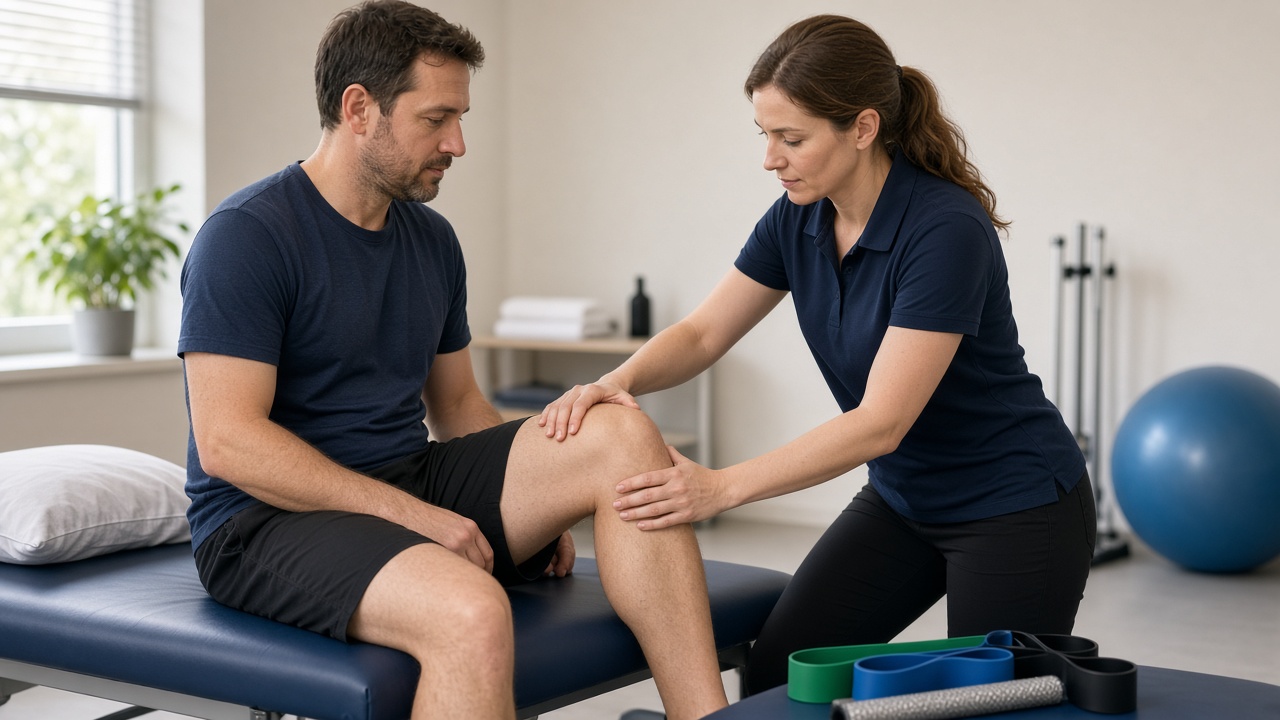
Assessment clarifies whether symptoms relate more to patellofemoral irritation, degenerative joint changes, tendon loading issues, or referred patterns from the hip or back. Treatment then blends education, manual techniques when useful, mobility work, and progressive strengthening of the quadriceps, hips, and calves. Activity modification protects irritable days without abandoning movement.
Clinically, Knee Pain Physiotherapy in Ahmedabad focuses on rebuilding capacity so stairs, markets, and prayer or floor transitions feel manageable again. Your therapist will set clear progressions for sit-to-stand practice, step-downs, and walking volume. The goal is not endless rest or endless stretching; it is a stronger, better-controlled knee that trusts daily life again.
What Strength Work Matters Most?
Quadriceps strength is often central because these muscles control knee loading during stairs and squats. Hip abductors and extensors help keep the knee tracking well during walking. Calf endurance supports push-off and reduces abrupt joint stress. Exercises are progressed from supported positions to more functional patterns that resemble your real demands, including carrying light loads when appropriate.
Load should feel challenging in the muscles without creating sharp joint pain that lingers for hours. Many people underdose strength because they fear cartilage damage; in reality, well-dosed loading is usually protective. Your physiotherapist will adjust depth, range, and volume so you build tissue tolerance instead of chasing fatigue with poor form. Consistency across weeks matters more than any single hard session.
Why Activity Pacing Beats All-or-Nothing Days
A classic pattern after forty is a quiet week followed by a heavy day of shopping, travel, or family events, then two days of swelling and regret. Pacing spreads load so the knee can adapt. That may mean splitting errands, using a railing strategically on hard stair days, or alternating longer walks with recovery days while strength catches up. Festival seasons and wedding travel are common flare windows in Ahmedabad if volume jumps without preparation.
Pacing is not weakness; it is skilled recovery. People who learn to plan load often return to higher activity levels than those who repeatedly flare and rest. Tracking a simple pain score before and after key tasks helps you and your therapist refine the plan without guesswork. Over a few weeks, those notes reveal which combinations of stairs, standing, and walking your knee currently tolerates—and where capacity still needs building.
When Should You Get Your Knee Assessed?
Seek care if pain lasts more than a couple of weeks, limits stairs or sleep, follows a twist or fall, or comes with locking, giving way, significant swelling, fever, or calf pain and redness. These signs need timely professional review. Early physiotherapy also helps when pain is milder but recurring every time you increase walking or return to sports.
Waiting until you avoid temples, parks, or family outings can deepen weakness and fear of movement. An assessment at Arham Physiotherapy in Nikol can separate joint irritability from strength deficits and give you a staged plan. Clear advice early often prevents months of inconsistent home remedies.
How Do Stairs and Floor Sitting Fit Into Rehab?
Stairs and floor transitions are meaningful goals for many Indian households, so rehab should include them rather than only machine exercises. Step-ups, controlled step-downs, and partial range sit-to-stand practice rebuild the exact demands that bother you. Depth and speed are adjusted so tissues adapt without constant flares.
If full floor sitting is currently too irritable, temporary strategy changes—using a chair for some tasks, rising with support, or limiting time in deep knee bend—can protect progress while strength improves. The long-term aim is usually to restore as much of your preferred lifestyle as tissue capacity allows, not to abandon cultural and household habits forever.
What About Weight, Shoes, and Daily Habits?
Even modest reductions in excess load can ease symptoms for some people, yet shame-based advice rarely helps. Focus on sustainable walking, protein-rich meals that support muscle, and strength training that raises capacity. Supportive shoes for longer standing days and avoiding sudden switches to completely flat, unsupportive footwear can also reduce irritability.
Desk workers benefit from regular sit-to-stand breaks so the knee is not asked to go from long stillness to sudden stairs. Homemakers may need to batch heavy chores and share peak load days. Small habit redesigns often amplify the effect of clinic exercises and keep gains between appointments.
Why Scans Are Not the Whole Story
Imaging can be useful when trauma, locking, or red flags are present, but many adults over forty have age-related changes on MRI or X-ray without matching disability. Pain is influenced by strength, sleep, stress, previous flares, and how quickly load increased. Treating the scan instead of the person can lead to unnecessary fear and under-activity.
Physiotherapy interprets symptoms in context. If function improves with a well-built programme, that progress matters more than chasing a perfect image. Your therapist can help you understand reports in plain language and decide with your doctor when further medical opinion is truly needed.
How Can You Keep Improvements Long Term?
Once pain settles, keep a maintenance strength routine two to three times weekly and progress walking or recreational activity gradually. Revisit pacing before known busy seasons. If a flare returns, reduce volume briefly rather than stopping all movement, then rebuild using the strategies that worked before.
Long-term success looks like trusting stairs again, joining family walks, and knowing what to adjust when the knee complains. Adults who treat knee care as ongoing capacity building—similar to dental care—usually stay more active than those who seek help only in crises. Arham Physiotherapy can help you set that sustainable plan for life in Ahmedabad.
Frequently Asked Questions
Is walking good or bad for knee pain after 40?
Comfortable, graded walking is usually helpful. Sudden long distances after quiet weeks are more likely to flare symptoms. Your physiotherapist will help set a walking dose that builds tolerance.
Do I need to stop squatting completely?
Not always. Depth, speed, and load can be modified so you keep useful strength. Complete avoidance often increases weakness and makes return harder.
Can physiotherapy help if I already have osteoarthritis on X-ray?
Yes. Many people with osteoarthritic changes reduce pain and improve function through strength, mobility, and activity pacing, even when imaging findings remain.
How soon should I notice improvement with a physio plan?
Some people feel easier stairs or less morning stiffness within a few weeks, while strength and confidence build over longer periods. Consistency matters more than dramatic single sessions.
Take the Next Step
Knee pain after forty responds best to clarity and progressive loading, not fear or complete rest. Strengthening the right muscles, pacing busy days, refining stairs and floor habits, and seeking timely assessment can restore comfort for work, family, and community life. Most people do not need to abandon the activities they value; they need a smarter dose and stronger support around the joint. If your knee is limiting daily routines in Nikol or elsewhere in Ahmedabad, book a physiotherapy assessment at Arham Physiotherapy. A personalised plan can help you move with more confidence, understand your triggers, and keep improvements for the long term instead of restarting the same flare cycle every few months.
Medical Disclaimer
The information on this blog is for educational purposes only and not a substitute for professional medical advice, diagnosis, or treatment. Always seek the advice of your therapist or physician regarding any medical condition.
Got questions about your recovery?
Fill the form below and one of our clinical specialists will get back to you shortly.