
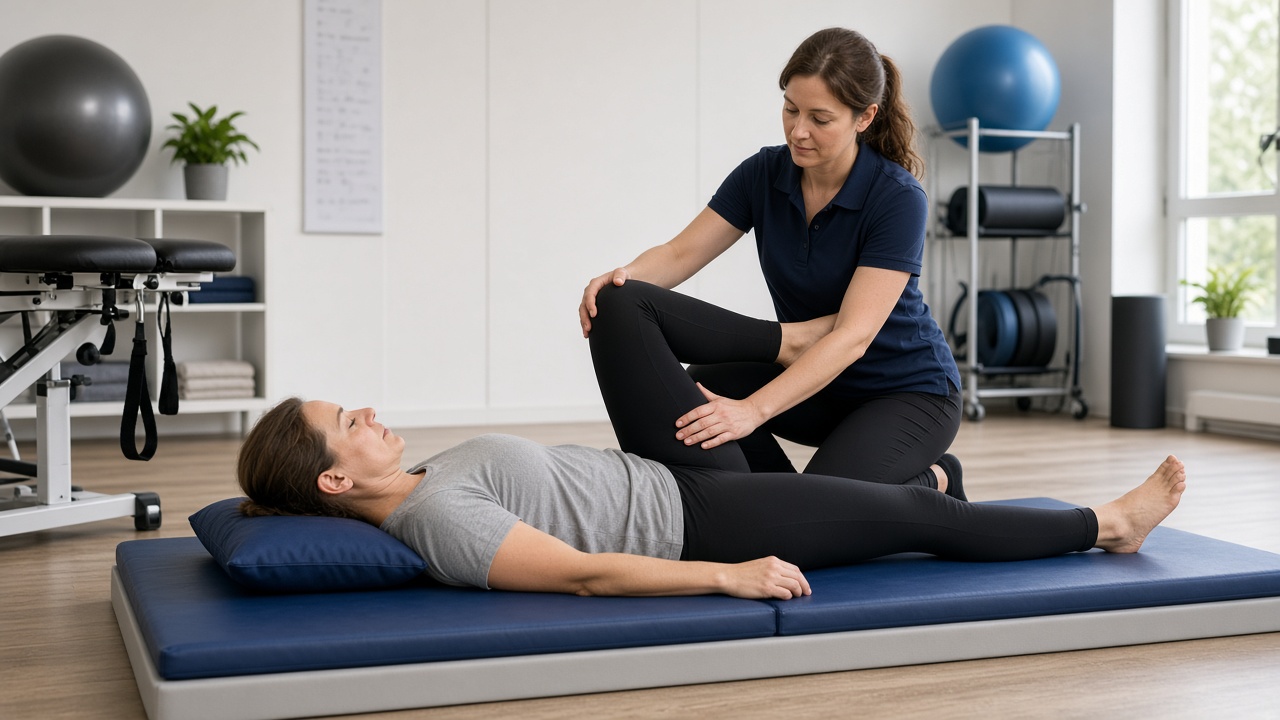
Sciatica describes pain that travels from the lower back or buttock into the leg, often along the path of the sciatic nerve. It may feel sharp, burning, electric, or heavily aching, and can come with tingling, numbness, or a sense that the leg is less trustworthy on stairs. Long sitting, sudden lifting, awkward twisting, or a period of unusual strain can trigger an episode, though sometimes symptoms build gradually after weeks of desk work or interrupted sleep. The unpredictability—good mornings followed by difficult evenings—often creates as much worry as the pain itself.
Physiotherapy helps by calming nerve sensitivity, restoring confident movement, and rebuilding the strength and control your back and hips need for daily life. People in Nikol and Ahmedabad frequently improve when they learn which positions settle symptoms, how to pace walking and desk time, and when to progress exercise instead of fearing every flare. Relief is rarely about one dramatic crack or stretch; it is about a clear, staged plan that fits real workdays, travel, and household responsibilities.
Understanding Sciatic Leg Pain
The sciatic nerve is formed from nerve roots in the lower spine and travels through the buttock into the leg. Irritation may relate to disc changes, joint sensitivity, muscle guarding, or a combination of mechanical and inflammatory factors. True neurological signs such as progressive weakness or bowel and bladder changes need urgent medical attention, while many common sciatica patterns respond well to guided conservative care.
Symptoms often worsen with prolonged sitting, bending, coughing, or first rising after rest. Some people feel better walking short distances; others prefer slight flexion. Mapping these patterns helps your physiotherapist choose nerve-friendly movements rather than a generic back routine that accidentally aggravates the leg.
How Physiotherapy Eases Sciatica
Care starts with education so you understand that sensitive nerves usually settle with the right dose of movement. Gentle mobility, directional preference exercises when appropriate, soft-tissue techniques, and graded walking are common early tools. As irritability drops, hip and core control work rebuilds capacity for sitting, standing, and lifting tasks.
In practice, Sciatica Physiotherapy in Ahmedabad emphasises restoring trust in movement while respecting flare rules. Your therapist will teach positions that reduce leg symptoms, strategies for desk and vehicle time, and a progression from easy drills to functional strength. Manual therapy may help comfort, yet lasting change depends on how you move between sessions.
What Movements Are Nerve-Friendly?
Nerve-friendly movement keeps symptoms manageable during and shortly after exercise, ideally settling within a reasonable time. That might include short walks, pelvic tilts, supported extensions or flexion based on your assessment, and gentle nerve glides that do not create lasting electric pain. Aggressive toe-touch stretching into sharp leg symptoms is often unhelpful early on and can increase fear of bending.
Your programme is individual. Copying a neighbour’s stretches can worsen an irritable nerve root. A physiotherapist tests responses carefully and updates the plan as your leg symptoms centralise or lessen. The aim is more freedom for daily tasks, not forcing a dramatic stretch that looks impressive but irritates for hours. Small, repeatable wins beat heroic sessions that leave you sidelined the next day.
Why Core and Hip Control Matter
When back and hip muscles do not share load well, the lower spine and surrounding tissues can become more sensitive during sitting, lifting, and turning. Core work in physiotherapy is usually about control and endurance in useful positions, not endless sit-ups. Hip strength supports walking and stair confidence, especially when the leg has felt weak or hesitant.
Building this control reduces the chance that every busy day becomes a sciatica flare. Exercises are progressed from supported positions to standing and functional patterns that match your life—lifting groceries, playing with children, or commuting across Ahmedabad. Strength restores options; fear alone removes them.
When Should Sciatica Be Assessed Urgently?
Seek urgent medical care for new bowel or bladder control problems, progressive leg weakness, numbness in the saddle area, unexplained fever, history of cancer with new back pain, or trauma with severe symptoms. These are red flags and are not treated as routine physiotherapy-first problems.
For typical sciatica without red flags, book physiotherapy if pain travels below the knee, disrupts sleep and work, or lasts beyond a short self-care period. Early guidance at Arham Physiotherapy in Nikol can prevent weeks of unhelpful bed rest and help you keep safe activity that actually supports recovery.
How Should You Handle Sitting and Sleeping?
Long uninterrupted sitting is a common aggravator. Break desk time with brief stands and short walks, adjust screen height to reduce slumping, and avoid staying in the most symptomatic posture for hours because it feels familiar. In vehicles, small position changes and planned break stops help on longer journeys across Ahmedabad traffic. A lumbar support that keeps a gentle comfortable curve is often more helpful than sitting rigidly “ramrod straight” for hours.
Sleep posture should keep the spine comfortable—side lying with a pillow between the knees or back lying with support under the knees works for many people. The best position is the one that reduces night awakenings from leg pain. Your physiotherapist can refine bedding and turning strategies so mornings start calmer, and can also advise how to get in and out of bed without repeatedly provoking the irritable side.
What Role Does Walking Play in Recovery?
Walking is often one of the most effective early tools for sciatica when dosed well. Short, frequent walks may settle symptoms better than one long outing that flares the leg. Use a comfortable pace, choose even surfaces initially, and note whether symptoms ease, stay stable, or worsen during and after the walk.
As control improves, walking duration increases and hills or longer market trips can return. If walking consistently worsens distal leg symptoms for hours, the dose or style needs adjustment rather than abandonment of all activity. Guided progression keeps you moving while the nerve calms.
How Do Flares Fit Into a Good Plan?
Flares are common during recovery, especially after long travel, heavy cleaning, or emotional stress that increases muscle guarding. A flare plan usually means temporarily reducing volume, returning to the movements that previously settled symptoms, and avoiding panic-driven complete bed rest unless advised for a short medical reason. Brief relative rest, heat or cold as preferred, and earlier bedtime can also help the nervous system settle.
Knowing what to do on a bad day reduces fear and shortens setbacks. Your physiotherapist will help you distinguish ordinary variability from true worsening that needs medical review. Confidence grows when you have a playbook instead of guessing every morning, and when you can resume your progressive programme within a day or two rather than abandoning weeks of progress.
What Results Can Physiotherapy Deliver?
Many people regain comfortable walking, sitting tolerance, and sleep within weeks to a few months, depending on severity, duration, and consistency. Some neurological symptoms take longer to fade even as function improves. Success is measured by daily life: commuting, household work, and returning to preferred exercise with less fear.
Not every case follows the same timeline, and a minority need medical or surgical pathways after thorough conservative care. Physiotherapy remains valuable before and after those decisions by protecting strength and movement quality. Clear communication with your care team keeps goals aligned for lasting relief in Ahmedabad.
Frequently Asked Questions
Should I stay in bed until sciatica goes away?
Short rest during a severe flare can help, but prolonged bed rest usually slows recovery. Gentle, guided movement and paced walking are typically better once red flags are excluded.
Are nerve glides safe for sciatica?
They can be helpful when dosed correctly, but aggressive glides into lasting electric pain may irritate symptoms. Use only the version and intensity your physiotherapist recommends.
Can physiotherapy help if my MRI shows a disc bulge?
Yes. Disc findings are common and do not always match disability. Many people improve with nerve-friendly movement, strength, and load management despite imaging changes.
How do I know if my sciatica is improving?
Useful signs include reduced leg pain intensity, symptoms moving closer to the spine, longer sitting or walking tolerance, and better sleep. Track these rather than only day-to-day stiffness.
Take the Next Step
Sciatica can feel alarming because pain travels into the leg and shakes confidence in simple tasks. With nerve-friendly movement, core and hip control, smarter sitting and walking doses, and a clear flare plan, most people can recover function without living in fear of every bend or commute. Progress is often uneven at first, yet consistent guided care usually rebuilds trust in the body week by week. If leg pain is disrupting work or sleep, schedule an assessment at Arham Physiotherapy in Nikol, Ahmedabad. A tailored physiotherapy plan can clarify red flags when needed, guide you toward lasting relief, and give you practical steps you can use every day at home, at work, and on the road.
Medical Disclaimer
The information on this blog is for educational purposes only and not a substitute for professional medical advice, diagnosis, or treatment. Always seek the advice of your therapist or physician regarding any medical condition.
Got questions about your recovery?
Fill the form below and one of our clinical specialists will get back to you shortly.