Plantar fasciitis typically presents as sharp heel pain with the first steps out of bed or after sitting for a while. The plantar fascia is a strong band of tissue that supports the arch; when it is overloaded, micro-irritation builds near the heel and makes every morning feel like a restart of the injury. Long standing on hard floors, sudden walking increases, unsupportive footwear, and tight calves are common contributors for adults in busy city routines. Teachers, shopkeepers, clinicians, and homemakers often notice the same pattern after a demanding week on their feet.
Simply resting for weeks often fails because the tissue weakens further and flares again when you return to normal activity. Physiotherapy aims to calm irritable tissue, improve calf and foot mechanics, and rebuild walking and standing tolerance in graded steps. With a clear plan, people in Nikol and across Ahmedabad can reduce morning stabbing pain without guessing which stretch or shoe tip will finally help, and without giving up the walks and workdays that matter to them.
Understanding Morning Heel Pain
Overnight, the plantar fascia shortens slightly. The first stretch of the day loads irritable tissue quickly, creating that stabbing sensation near the heel or along the arch. After a few minutes of walking, pain may ease, which leads some people to ignore the problem until standing at work or evening walks become difficult again.
Physiotherapists also look beyond the foot. Hip control, knee alignment, and how you push off during gait can overload the fascia even when the heel itself looks normal. Footwear wear patterns, recent travel, festival walking, and sudden changes to sandals or flat shoes often explain why symptoms appeared after a specific week rather than out of nowhere.
How Physiotherapy Relieves Plantar Fasciitis
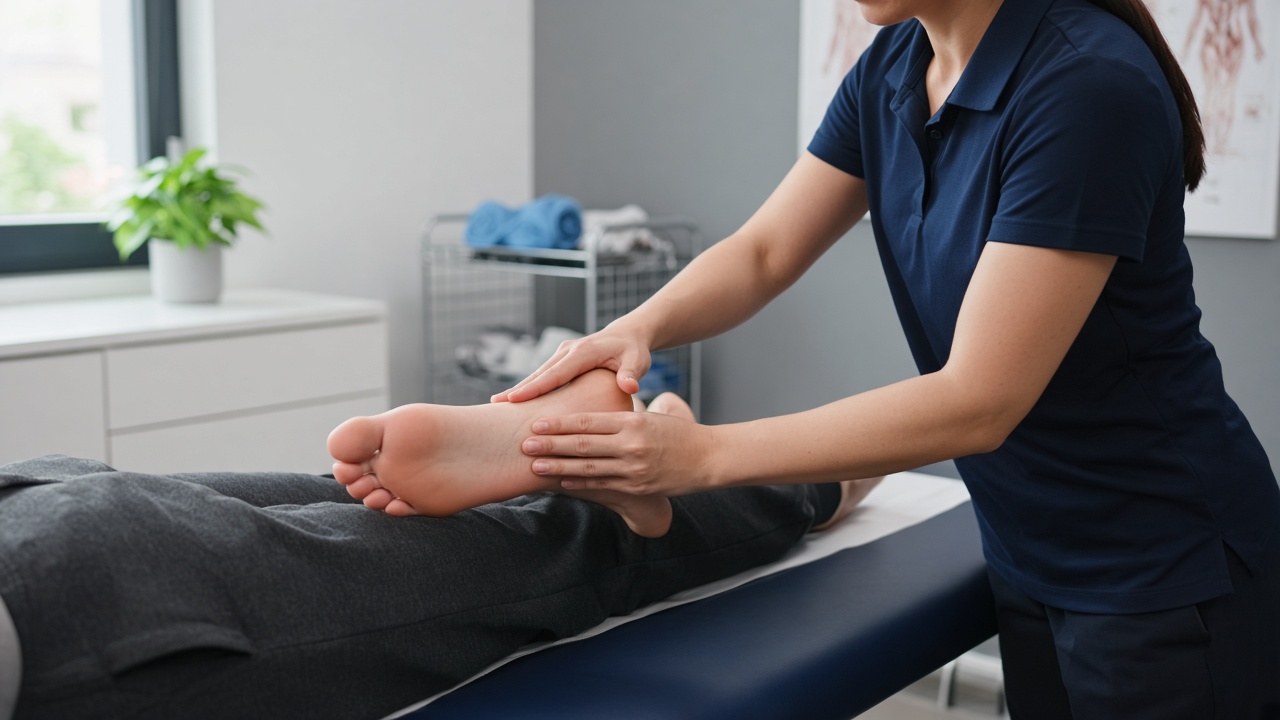
Care usually combines soft-tissue techniques, short-term taping when helpful, calf mobility work, intrinsic foot activation, and progressive heel raises that load the fascia in a controlled way. Education on activity spikes is central, because an extra day of shopping, temple visits, or standing events can undo progress if load is not planned.
For lasting change, Plantar Fasciitis Treatment in Ahmedabad emphasises graded strengthening rather than only rest, ice, or random toe stretches. Shockwave or other adjuncts may be discussed for stubborn cases, yet exercise and load management remain the foundation. Your therapist will also check whether calf tightness, limited ankle dorsiflexion, or weak hip endurance is feeding the heel problem.
What Should You Change in Daily Footwear?
Supportive midsoles and a slight heel-to-toe drop often feel kinder during flares than completely flat, thin soles. Avoid long barefoot walking on hard tiles when pain is high, especially first thing in the morning. Rotate shoes if you stand for many hours, and replace pairs that have collapsed midsoles even if the upper still looks fine.
Fashion sandals and brand-new walking shoes both deserve caution: sudden changes alter how the fascia is loaded. If you need dress footwear for work or functions, limit continuous standing time and use more supportive shoes for commuting. Your physiotherapist can suggest simple temporary supports when appropriate without turning every day into medicalised footwear forever.
Why Complete Rest Rarely Fixes Heel Pain
Complete rest may quiet symptoms briefly, yet the fascia and calf complex lose capacity. When you resume normal walking, the same load hits deconditioned tissue and pain returns. A smarter approach reduces irritating spikes while keeping comfortable walking and adding strengthening that the tissue can adapt to. That balance is what turns temporary relief into durable change.
Think of recovery as raising the heel’s tolerance rather than eliminating every step. Short walks, seated calf raises progressing to standing raises, and controlled mobility keep blood flow and tissue readiness improving. This load-management mindset is especially useful for shopkeepers, teachers, clinicians, and homemakers whose roles do not allow weeks off their feet, and it is a core message in physiotherapy education at clinics such as Arham Physiotherapy.
When Is It Time to Seek Physiotherapy?
Seek assessment if heel pain lasts beyond about two weeks, repeatedly spoils mornings, follows a clear injury, or comes with numbness, whole-foot swelling, or difficulty bearing weight. Early guidance prevents months of stop-start recovery and reduces the chance of compensatory hip or knee strain from limping.
You should also seek care if night pain is severe, if you have diabetes with foot concerns, or if home stretches have made pain sharper rather than better. A clinic visit at Arham Physiotherapy in Nikol can distinguish plantar fasciitis from other heel conditions and give you a programme matched to your standing demands and activity goals.
How Long Does Heel Pain Usually Take to Settle?
Many people notice meaningful improvement within four to eight weeks of a consistent programme, though longer histories can take longer. Morning pain often improves before evening standing tolerance fully returns, so it helps to track both. Night-time calf stretches and a brief warm-up of the foot before first steps can speed comfort for some patients.
Full return to running, long markets, or all-day events should be staged once morning pain drops and single-leg calf raises feel controlled. Rushing mileage or festival walking because the heel feels better for two quiet days is a classic setback pattern. Your therapist will set clear criteria so you progress with evidence, not hope alone.
Practical Load Tips for Work and Home
Alternate sitting and standing if your job keeps you on your feet. Use cushioned mats in kitchen or shop areas when possible, and break long standing into shorter blocks with brief seated rests. After very long days, short ice application may ease irritability, but it does not replace strengthening and footwear planning.
Track flare triggers such as new sandals, sudden stair climbing, or walking on uneven ground after rain. Keep a simple note of morning pain scores for two weeks so you and your physiotherapist can see trends. Small adjustments—route length, shoe choice, calf raise dosage—often matter more than adding many new exercises at once.
What Role Do Calf and Foot Strength Play?
Tight or weak calves change how force transfers through the ankle and into the plantar fascia. Progressive calf raises, including bent-knee variations that target the soleus, help the tissue tolerate walking loads. Intrinsic foot exercises improve arch control so the fascia is not the only structure working overtime with every step.
Strength work should feel muscularly challenging without creating sharp heel stabbing that lingers. Form matters: rushing repetitions or bouncing at end range can irritate rather than strengthen. A physiotherapist will dose volume carefully and link foot work to hip endurance when gait assessment shows that the problem starts higher up the chain.
How Can You Prevent the Next Flare?
Prevention means keeping capacity above demand. Maintain calf and foot strength even after mornings feel normal, progress walking or standing loads gradually, and refresh footwear before soles collapse. If you plan a travel-heavy month or festival season, increase preparation walks and review your shoe strategy in advance.
Returning to old habits the day pain disappears is how chronic cycles begin. A short maintenance routine a few times a week is usually enough once you have recovered. People who treat plantar fasciitis as a loading problem—not a mystery curse—regain confident walking and keep it longer in Ahmedabad’s busy daily environments.
Frequently Asked Questions
Should I stop walking completely if I have plantar fasciitis?
Complete rest rarely solves the problem. Reduce irritating spikes, keep comfortable walking, and add the strengthening and mobility work your physiotherapist prescribes.
Do gel heel cups fix plantar fasciitis on their own?
Cups or cushions can ease symptoms temporarily, but lasting relief usually needs calf and foot loading changes plus footwear and activity planning.
Can physiotherapy help if my heel pain is already chronic?
Yes. Chronic cases often respond to a carefully progressed loading plan, even when earlier rest-only approaches failed.
Is it okay to stretch the plantar fascia aggressively every morning?
Gentle mobility can help, but aggressive stretching into sharp pain may irritate tissue further. Follow a dosed plan that also includes strengthening and load management.
Take the Next Step
Heel pain does not have to dictate every morning or force you into endless rest. With load management, calf and foot strength, smarter footwear choices, and paced return to standing demands, plantar fasciitis becomes a solvable tissue-capacity problem rather than a permanent limitation. If first-step heel pain is slowing your day, visit Arham Physiotherapy in Nikol, Ahmedabad for an assessment and a clear programme. Practical physiotherapy can restore comfortable walking and help you stay active without guesswork.
Medical Disclaimer
The information on this blog is for educational purposes only and not a substitute for professional medical advice, diagnosis, or treatment. Always seek the advice of your therapist or physician regarding any medical condition.
Got questions about your recovery?
Fill the form below and one of our clinical specialists will get back to you shortly.