Hip pain that alters walking is more than a local ache. People shorten the step on the painful side, lean the trunk, and ask the opposite knee and lower back to work harder. Over weeks, those compensations create a second problem on top of the first. Physiotherapy identifies whether the driver is joint irritability, gluteal tendon overload, stiffness, referred lumbar pain, or early osteoarthritis, then rebuilds a gait pattern that shares load more evenly.
Adults in Nikol and across Ahmedabad often notice flares after long market walks, temple steps, festival standing, or sudden increases in daily errands. Limping “until it settles” can prolong recovery. A gait-friendly plan restores motion and strength while keeping you moving at a tolerable dose instead of swinging between complete rest and painful overdoing.
Why hip pain changes the way you walk
Pain inhibits normal hip extension and single-leg stability. The result is a shorter stance phase, reduced push-off, and sometimes a Trendelenburg-style trunk lean as the pelvis drops or the body shifts over the stance leg. Lateral hip tendon irritability can make lying on that side and climbing stairs especially uncomfortable for weeks.
Night ache after long walking days often points to overload of tissues around the greater trochanter or an irritable joint that worked too hard without enough strength support. Understanding the pattern guides whether the priority is calming load, restoring mobility, rebuilding gluteal strength, or screening the lumbar spine before exercise begins. Secondary knee and back pain often fade once the limp softens and hip strength begins to share load again.
Common treatable causes of walking-related hip pain
Gluteal tendinopathy, hip flexor overload, early degenerative change, labral irritation in some active adults, and referred pain from the lower back are frequent contributors. True “bursitis” labels are used less bluntly today because tendon and movement control issues often sit underneath lateral pain and respond better to load management than rest alone.
Footwear, sudden mileage spikes, prolonged cross-legged sitting, and weak lateral hip control on uneven footpaths all matter in local daily life. Assessment links these clues so treatment targets the actual driver rather than only massaging the sore spot while the same walking overload continues unchanged. Not every scan finding needs panic; many people walk better when load and strength are corrected even with mild wear on imaging.
How physiotherapy assesses gait and hip function
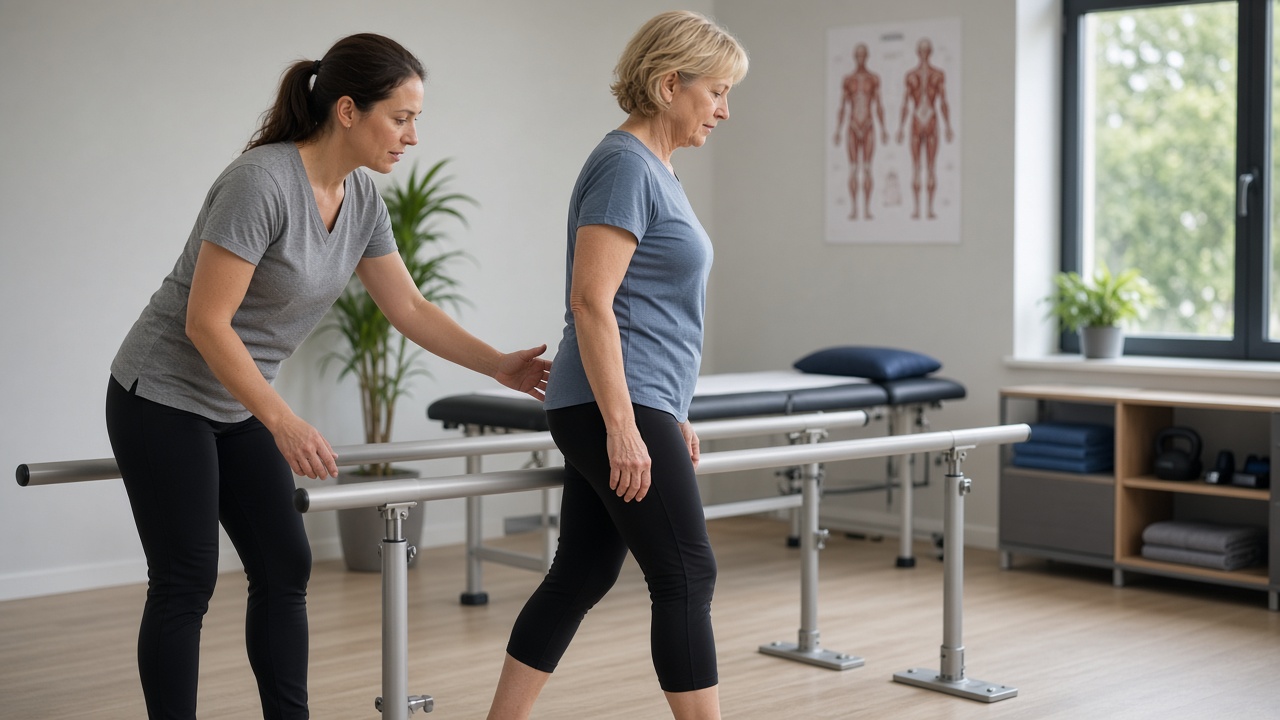
A session typically reviews walking pattern, single-leg stance, squat or sit-to-stand strategy, hip range, strength, and lumbar contribution. Palpation and movement tests help differentiate joint-dominant pain from tendon-dominant lateral pain and clarify whether the opposite limb or back is already compensating.
Hip Pain Physiotherapy in Ahmedabad is most effective when gait is watched in real conditions—comfortable shoes, usual pace, and sometimes stair trials—because treadmill-perfect form is not required to find useful corrections that transfer to market walks and society corridors. Ask for gait feedback in the shoes you actually use for errands, not only barefoot clinic tests.
Gait-friendly treatment strategies that restore smoother steps
Early care may reduce aggravating distances, adjust stride demands, and use temporary supports such as a cane when a severe limp is loading the spine and opposite knee. Manual techniques and mobility drills can ease stiff capsules or surrounding soft tissue when indicated, always within comfort limits.
As irritability drops, progressive loading of the gluteal and deep hip stabilisers rebuilds the strength needed for level walking and stairs. Gait cues—slightly longer comfortable steps, steadier pelvis, smoother push-off—are practised at walking speed, not as abstract gym poses alone that never appear in real errands. Temporary pacing is not weakness; it is how irritable tendons and joints calm enough to accept progressive strength work.
Which strength exercises help walking comfort most?
Side-lying or standing hip abduction progressions, bridge variations, sit-to-stand control, and step-ups are common building blocks when dosed correctly. The best exercise is the one you can perform with good form and recover from by the next day without a large flare that stops walking altogether.
Heavy random gym abduction machines or deep stretching into sharp lateral pain can delay tendon calming. Your physiotherapist will match resistance and range to whether the joint or tendon is the irritable tissue, then progress toward functional walking endurance that matches your neighbourhood and work demands. If an exercise flares lateral hip pain for two days, the dose or position usually needs changing rather than more stretching.
What daily habits support hip recovery between sessions?
Split long errands into shorter walking bouts at first. Avoid prolonged cross-legged sitting if it compresses painful lateral tissues. Choose stable footwear for uneven paths, and use a temporary cane if advised to normalise gait rather than clinging to a severe limp that overloads everything else.
Sleeping positions matter for lateral hip pain; a pillow between the knees when side-lying can reduce compressive stress. Track flare triggers such as sudden temple-stair days or standing through long events so future weeks can be paced better and progress is not undone by one overloaded weekend. Plan festival and travel weeks in advance so one long standing day does not erase a month of careful rehab.
How long before walking feels easier?
Many mechanical hip pain patterns improve within four to eight weeks of consistent rehab, though longer histories and degenerative joints may need ongoing self-management. Success is measured by walking distance, stair confidence, reduced evening ache, and a more symmetrical gait—not only by pain at rest on the clinic table.
Setbacks after unusually long days are common and do not always mean treatment failed. Adjusting the next few days’ walking dose and continuing strength work usually restores the upward trend, especially when people stop treating rest days as failure and treat them as part of loading science. Improvement is often felt first on stairs and getting out of a car, then later on longer flat walks.
When does hip pain need urgent medical review?
Seek urgent care after falls with inability to bear weight, sudden deformity, a hot swollen joint with fever, or progressive neurological leg symptoms. Night pain with unexplained weight loss or systemic illness also needs medical evaluation beyond routine physiotherapy screening and should not be delayed for exercise trials.
For non-urgent but persistent walking pain beyond about two weeks, physiotherapy assessment is appropriate. Early guidance prevents secondary knee and back overload from becoming a second chronic problem that outlasts the original hip complaint. Red-flag screening keeps physiotherapy safe and ensures serious medical causes are not missed while exercise begins.
Can physiotherapy still help if hip replacement is discussed later?
Yes. Prehabilitation can improve strength, walking tolerance, and confidence before surgery when replacement is eventually planned. Many people also delay surgery meaningfully by managing symptoms, body mechanics, and activity dosing well under guided care.
If surgery occurs, post-operative physiotherapy rebuilds gait and function through staged milestones. Either pathway benefits from clear walking goals and honest pacing rather than fear-driven immobility or last-minute panic training that irritates the joint right before an operation. Whether the long-term path is conservative care or eventual surgery, stronger walking mechanics remain an advantage.
Frequently Asked Questions
Is hip pain while walking always arthritis?
No. Tendon overload, movement control problems, stiffness, and referred lumbar issues are common and often respond well to physiotherapy. A precise diagnosis of the pain driver guides better exercise selection.
Should I stop walking completely until the hip pain disappears?
Usually reduce distance and speed rather than stop entirely, unless advised after acute injury. Graded walking is part of most rehab plans. Complete shutdown of walking often increases stiffness and fear.
Do I need an MRI before starting hip physiotherapy?
Not always. A clinical exam often guides early care. Imaging is considered when trauma, red flags, or atypical features are present. Imaging is a tool, not an automatic first step for every hip ache.
Can a walking stick make my hip weaker?
Short-term stick use to normalise gait and reduce harmful limping is often helpful. It is a bridge, not a forever substitute for strength work. Strength training should continue while any temporary aid is used.
Take the Next Step
Walking should not always mean guarding against hip pain or borrowing stress from your back and opposite knee. A clear physiotherapy plan can calm irritable tissues, rebuild hip strength, and restore smoother everyday steps around Nikol and Ahmedabad. If hip pain is changing your gait or limiting errands and stairs, book an assessment at Arham Physiotherapy in Nikol, Ahmedabad. Practical gait-friendly rehab can help you move with more comfort and confidence again.
Medical Disclaimer
The information on this blog is for educational purposes only and not a substitute for professional medical advice, diagnosis, or treatment. Always seek the advice of your therapist or physician regarding any medical condition.
Got questions about your recovery?
Fill the form below and one of our clinical specialists will get back to you shortly.