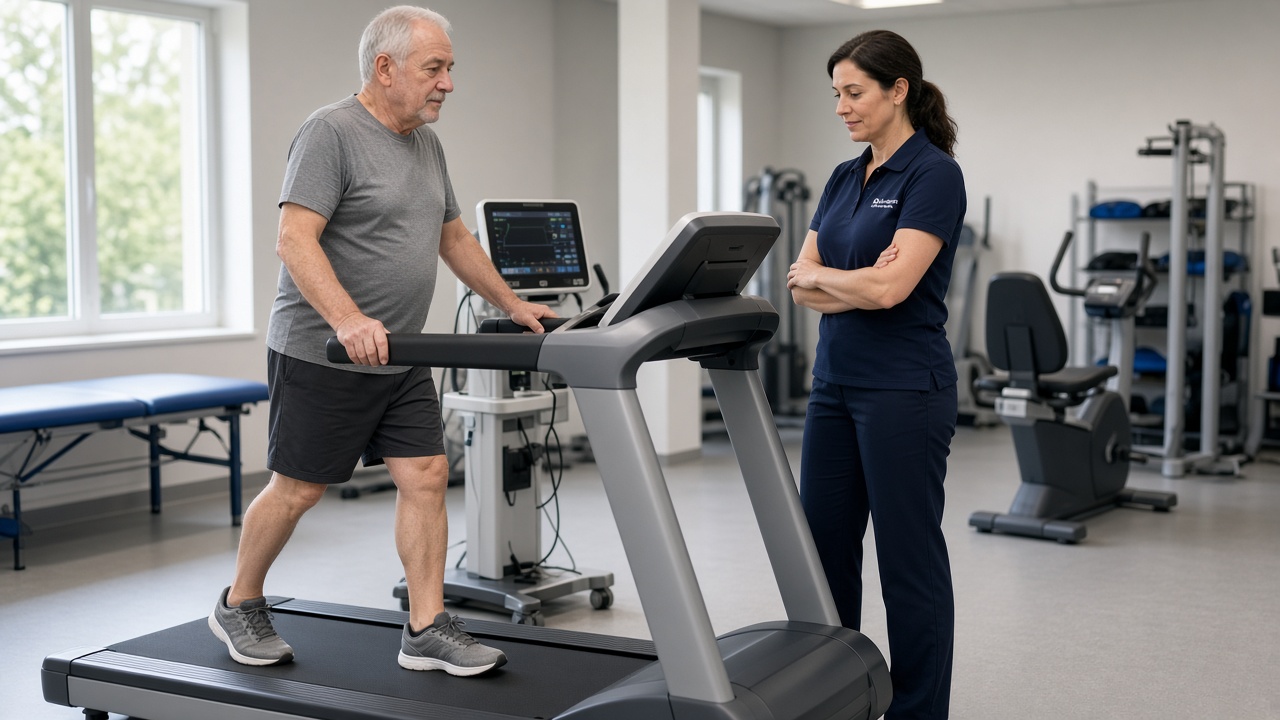
Returning to ordinary walking after a heart attack, stenting, bypass, or other cardiac event can feel both hopeful and frightening. Cardiac rehabilitation physiotherapy uses graded activity, breathing support, and clear education so people rebuild stamina without guessing how far is too far. Walking is often the first practical training tool because it fits neighbourhoods, parks, corridors, and daily errands when paced wisely under medical clearance.
At Arham Physiotherapy in Nikol, Ahmedabad, walking plans proceed only within cardiologist clearance and procedure-specific limits. Sessions address effort monitoring, warm-up and cool-down habits, musculoskeletal aches from inactivity, and the confidence gap that keeps many people overly sedentary long after medical stability returns. The aim is not athletic competition; it is reclaiming daily life with safer, steadier steps and clearer stop rules.
Why structured walking beats unstructured guesswork
Too little activity after a cardiac event slows endurance recovery and can deepen fear. Sudden aggressive walks in heat or on steep grades can feel alarming and undermine trust in the body. Structured plans raise duration and intensity in small steps while watching symptoms and perceived exertion, which turns recovery into a measurable process instead of a daily gamble.
Education sits beside the walking itself: how to warm up, when to slow down, which symptoms are expected fatigue versus warning signs, and how to schedule walks around medication and meals. Clarity reduces the all-or-nothing pattern of complete rest one week and overdoing errands or family functions the next. A written walking plan reduces family arguments about whether today’s distance was too little or too much. Consistency with small daily walks usually beats occasional long efforts.
What physiotherapy adds to cardiac rehabilitation
Physiotherapists help set a starting distance or time, teach simple effort rating methods as advised, and progress plans when response remains stable. They also address posture, breathing comfort, shoulder or back stiffness from hospital rest, and safe sit-to-stand strategies for home so the whole body supports the heart-health plan.
Cardiac Rehabilitation Physiotherapy in Ahmedabad works best as a bridge between cardiology advice and real household routines—temple steps, market walks, and returning to light household roles—without turning recovery into a rigid fitness contest or comparing yourself with relatives who had different procedures. Bring discharge advice and medication timing notes so physiotherapy progressions respect cardiology limits exactly. Bring questions about stairs, temple visits, and work return to each review.
How do you know if walking effort is appropriate?
Many programmes use talk-test ideas or rated perceived exertion scales so patients can judge effort without specialised equipment. You should generally be able to speak short sentences during training-level walking unless your clinical team has set a different target based on your procedure and medications.
Chest discomfort, unusual breathlessness, dizziness, palpitations that feel new or severe, or nausea with exertion are signals to stop and follow your medical action plan. Keeping a simple walk log—time, distance feel, symptoms, sleep quality—helps clinicians refine the next progression safely and reduces anxiety about every heartbeat sensation. If anxiety rises before every walk, shorter successful loops often rebuild trust faster than ambitious routes.
Breathing support and recovery between bouts
Shallow, anxious breathing can make mild hills feel harder than they are. Physiotherapy may teach relaxed nasal or paced breathing, longer exhales during easy segments, and posture that opens the chest without forcing hyperventilation tricks from social media that leave people light-headed.
Recovery minutes between bouts matter early on. Short rests on a bench, indoor corridor intervals, and cool-down walking prevent abrupt stops that leave people dizzy. Over time, continuous comfortable walking replaces frequent rests as capacity grows, and confidence usually rises with that predictability. Pair breathing cues with posture reminders so shoulders stay relaxed and the chest is not held rigidly.
Timing walks in Ahmedabad heat and daily life
Hot afternoons raise cardiovascular demand. Early morning or later evening walks are often wiser, with hydration habits matching medical advice. Indoor walking in a safe corridor or society compound can bridge days when outdoor heat or air quality is poor, so consistency does not collapse every summer week.
Festival weeks, family functions, and sudden travel are common relapse points. Planning shorter walks before long social days, and avoiding competitive “keep up with relatives” pacing, protects progress. Recovery is personal medical work, not a neighbourhood race or proof of toughness. Society compounds, malls, and early park loops are practical Ahmedabad options when roadside heat feels unsafe. Choose shaded routes and carry water according to your medical advice.
How quickly can walking distance increase?
Many people add a few minutes every several sessions when symptoms stay stable and sleep recovers reasonably. Others need longer plateaus after procedures, anemia, deconditioning, medication changes, or musculoskeletal limitations. Your cardiology status—not a neighbour’s routine—sets the pace, and that individuality should be protected.
Physiotherapy progressions also consider orthopedic limits. Knee, hip, or back pain can masquerade as “heart fatigue.” Addressing those issues keeps walking enjoyable enough to continue, which is essential for long-term heart health habits after the supervised phase ends. Plateaus are normal; repeating the same comfortable distance for a week can still be productive recovery work. Tell your therapist if medications change, because effort tolerance can shift.
Strength, flexibility, and daily task confidence
Light, guided strength work for legs and posture muscles is often introduced later under medical guidance. Stronger legs make walking more economical and reduce fear on stairs. Flexibility work eases the stiff thoracic and shoulder patterns that develop after hospital stays and protective postures.
Daily living practice—carrying light items, pacing chores, and planning rest—turns clinic gains into home independence. Family members can support without hovering or pushing, which preserves both safety and dignity while the person reclaims ordinary roles at a sensible speed. Light strength later supports stair confidence, grocery carrying, and getting out of low sofas without breath-holding.
When should you pause walking and seek urgent help?
Stop and seek urgent care for crushing or escalating chest pain, fainting, severe breathlessness at rest, sudden neurological symptoms, or any emergency signs your cardiologist listed at discharge. Do not “push through” warning symptoms to finish a planned loop or impress anyone watching.
Routine muscle fatigue after early sessions should be discussed in rehab visits rather than ignored or catastrophised. Distinguishing expected training tiredness from red flags is a core educational goal of cardiac physiotherapy and often lowers fear more than any motivational speech. Teach family members the stop rules so well-meaning encouragement never overrides medical warning signs.
Building a sustainable walking habit after supervised phases
Supervised phases calibrate effort and confidence; long-term heart health still depends on continuing activity at home. A weekly template—most days easy to moderate walking, one slightly longer session if cleared, and rest or lighter days after poor sleep—keeps momentum realistic for working adults and retirees alike.
Celebrate functional wins: walking to the local shop, joining a short family stroll, or climbing a familiar flight with less fear. Those milestones matter more than chasing aggressive step-count targets that ignore medical context, weather, and recovery needs. Long-term success is a repeatable weekly rhythm, not a heroic walk that cannot be repeated the next morning. Put walking appointments in the calendar like medication times, not optional extras.
Frequently Asked Questions
Do I need cardiologist clearance before starting physio walking plans?
Yes. Cardiac rehabilitation physiotherapy should proceed within medical clearance and any procedure-specific restrictions given by your cardiology team. Never start a cardiac walking plan against medical advice or while red-flag symptoms are active.
Can I only walk at home instead of attending rehab sessions?
Home walking is valuable, but supervised phases help calibrate safe effort and rebuild confidence—especially in the early weeks after an event or procedure. Many people combine a few supervised sessions with a clear home walking template.
Is strength training allowed during cardiac rehab?
Light, guided strength work is often introduced later. Timing, resistance, and restrictions are decided with your physiotherapist and cardiology guidance. Your team will decide when and how resistance work is introduced.
What if musculoskeletal pain stops me from walking?
Tell your physiotherapist. Knee, hip, back, or foot issues are common after inactivity and can usually be adapted so heart-healthy walking remains possible. Musculoskeletal adaptations keep cardiac walking possible instead of abandoned.
Take the Next Step
Walking back to life after a cardiac event works best with clear pacing, symptom awareness, and professional support—not fear-driven stillness or sudden overexertion that erodes confidence. If you have medical clearance and want help rebuilding stamina safely, Arham Physiotherapy in Nikol, Ahmedabad can guide a walking-centred cardiac rehab plan matched to your stage of recovery, home environment, and everyday goals.
Medical Disclaimer
The information on this blog is for educational purposes only and not a substitute for professional medical advice, diagnosis, or treatment. Always seek the advice of your therapist or physician regarding any medical condition.
Got questions about your recovery?
Fill the form below and one of our clinical specialists will get back to you shortly.